
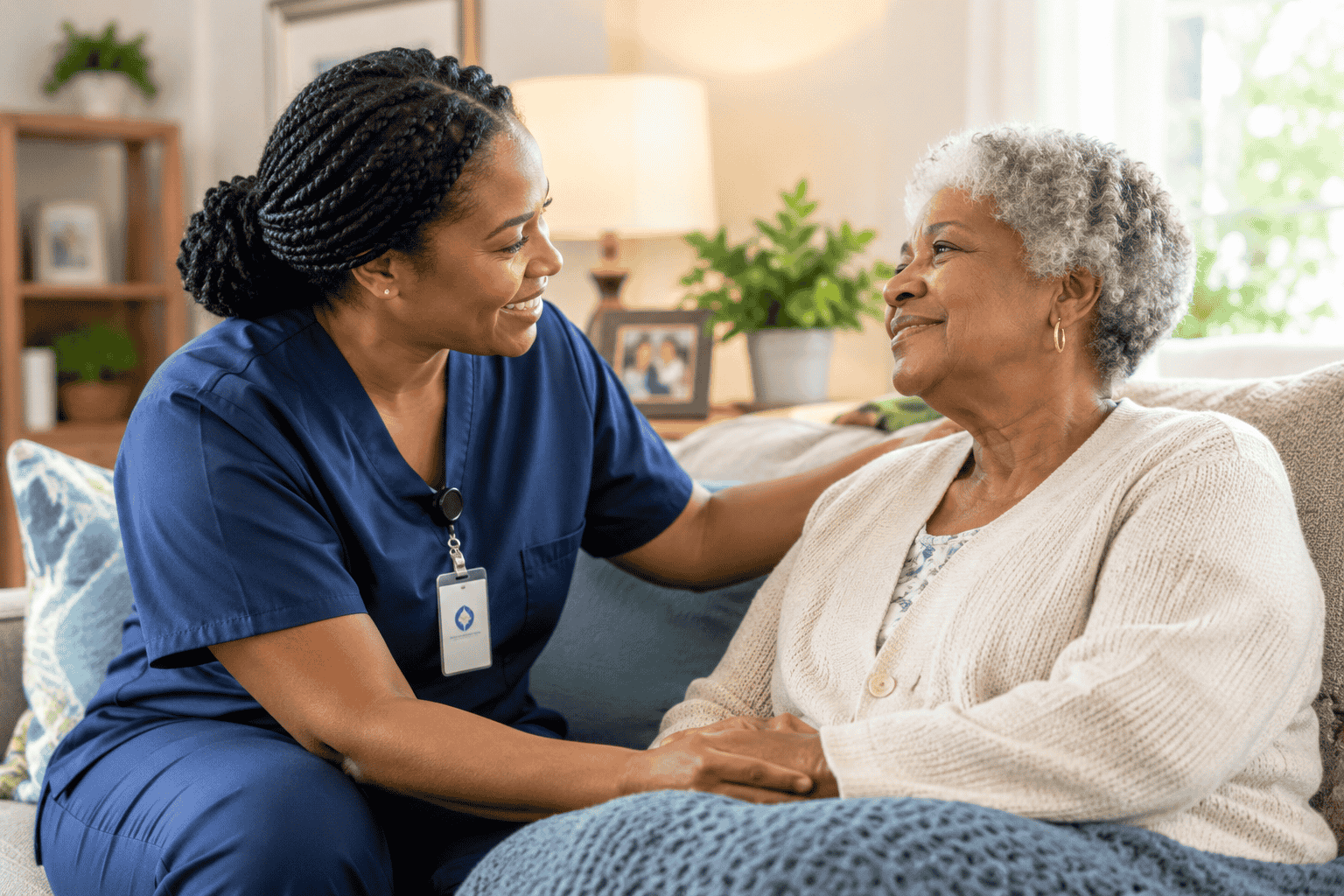
As our loved ones grow older, their healthcare needs may change. Tasks that once seemed simple, such as preparing meals, managing medications, bathing, or moving around the house, can become increasingly challenging. While many seniors want to maintain their independence, there may come a time when additional support is necessary.
Recognizing when an aging loved one needs help is not always easy. Family members may worry about taking away their independence or making decisions that their loved ones are not ready to accept.
Home healthcare offers a way for seniors to receive personalized care while remaining in the comfort of their own homes. Understanding the signs that indicate a need for additional support can help families make informed decisions about their loved one’s health, safety, and quality of life.
1. Difficulty With Daily Activities
One of the earliest signs that a senior may need home healthcare is difficulty completing everyday tasks.
Activities such as bathing, dressing, grooming, preparing meals, and maintaining personal hygiene can become more challenging because of reduced mobility, weakness, or certain medical conditions.
You may notice that your loved one is wearing the same clothes repeatedly, skipping meals, or struggling to maintain their usual routine.
A home healthcare professional can provide assistance with these activities while respecting the senior’s privacy and dignity. The goal is to help them remain as independent as possible while ensuring their daily needs are met.
2. Frequent Falls or Mobility Challenges
Changes in balance, muscle strength, and coordination can increase the risk of falls among older adults. Even a minor fall can lead to injuries that affect a senior’s confidence and independence.
Pay attention if your loved one:
- Holds onto furniture while walking.
- Struggles to get in and out of bed or chairs.
- Avoids stairs or certain areas of the home.
- Has experienced recent falls or near-falls.
- Appears unsteady when standing or walking.
Home healthcare providers can assist with mobility, support safe movement, and help families identify potential hazards around the home.
Depending on the individual’s needs, additional safety measures, mobility aids, or physical therapy may also be recommended.
3. Difficulty Managing Medications
Many seniors take multiple medications to manage chronic conditions or recover from illness. Keeping track of prescriptions, dosages, and schedules can become confusing, particularly when medication routines change.
Missed doses, taking medication incorrectly, or running out of prescriptions can affect a person’s health.
If you notice that your loved one frequently forgets medications or appears confused about their prescriptions, additional support may be necessary.
Qualified home healthcare professionals can assist with medication routines and provide medication-related services within their training and professional scope. Families should also ensure that prescriptions are reviewed regularly by the appropriate healthcare provider.
4. Unexplained Weight Loss or Poor Nutrition
Proper nutrition is essential for maintaining strength, supporting the immune system, and managing existing health conditions.
However, some seniors may struggle to prepare meals, shop for groceries, or eat regularly. Changes in appetite, difficulty chewing or swallowing, and certain medications can also affect nutrition.
Warning signs may include:
- Noticeable or unexplained weight loss.
- Frequently skipping meals.
- An empty refrigerator or a lack of nutritious food.
- Increased weakness or fatigue.
- Signs of dehydration.
Home healthcare services can help with meal preparation, encourage regular eating and drinking, and monitor changes that may require medical attention.
Sudden or unexplained weight loss should be discussed with a healthcare professional to identify the underlying cause.
5. Changes in Memory or Thinking
Occasional forgetfulness can occur with age, but persistent confusion or significant changes in memory deserve attention.
You may notice that your loved one repeatedly forgets appointments, struggles to follow familiar routines, becomes confused about medications, or has difficulty managing everyday responsibilities.
These changes can sometimes indicate an underlying medical condition that requires assessment.
Home healthcare professionals can help seniors maintain structured daily routines, support personal safety, and communicate concerning changes to family members and healthcare providers.
Sudden confusion should be treated as a medical emergency, particularly when it occurs alongside difficulty speaking, weakness, or other sudden neurological symptoms.
6. Increasing Isolation or Loneliness
Emotional well-being is an important part of healthy aging. Some seniors become socially isolated because of mobility limitations, the loss of friends or a spouse, or difficulty participating in activities they previously enjoyed.
You may notice that your loved one rarely leaves home, stops engaging in hobbies, or has fewer conversations with family and friends.
Companionship through home care can provide meaningful social interaction and emotional support. Caregivers may spend time talking with seniors, encouraging suitable activities, and helping them remain connected to their routines and communities.
If a senior experiences persistent sadness, loss of interest, or significant changes in mood, professional healthcare support may also be appropriate.
7. Managing a Chronic Health Condition Becomes Difficult
Conditions such as diabetes, heart disease, arthritis, and other long-term illnesses may require ongoing monitoring and consistent care.
When symptoms become more difficult to manage, seniors may need additional assistance with daily routines, medical appointments, or treatment plans.
Depending on the person’s condition and care plan, home healthcare may include skilled nursing, health monitoring, wound care, and support following medical procedures.
Regular communication with healthcare providers can help families identify concerns early and respond appropriately to changes in their loved one’s condition.
8. Recovery After Surgery or Hospitalization
Returning home after surgery, an illness, or a hospital stay can be challenging, especially for seniors who have limited mobility or ongoing medical needs.
They may need help moving around, following discharge instructions, managing medications, or attending follow-up appointments.
Home healthcare can provide additional support during recovery, helping seniors follow their prescribed care plans and regain confidence with everyday activities.
The level of assistance required will depend on the individual’s condition, recovery goals, and recommendations from their healthcare team.
9. Family Caregivers Are Becoming Overwhelmed
Family members often take on caregiving responsibilities out of love and concern. However, balancing work, family commitments, and the needs of an aging loved one can become physically and emotionally demanding.
Signs that additional help may be necessary include constant exhaustion, difficulty managing appointments, increasing stress, or concerns about providing safe care.
Professional home healthcare can help share these responsibilities. With appropriate support, family members can spend more meaningful time with their loved ones without having to manage every aspect of care themselves.
Seeking professional assistance is not a failure. It is a practical way to ensure that both seniors and their caregivers receive the support they need.
Choosing the Right Home Healthcare Services
Once you recognize that your loved one needs additional assistance, the next step is finding a provider that understands their individual needs.
Before choosing a home healthcare agency, consider the following:
Care services: Determine whether the provider offers the personal care, companionship, or skilled nursing services your loved one requires.
Caregiver qualifications: Ask about staff training, professional credentials, background checks, and experience.
Personalized care plans: Look for a provider that considers the senior’s medical needs, preferences, routines, and goals.
Communication: Choose an agency that keeps families informed and provides a clear process for reporting concerns.
Flexibility: Consider whether the provider can accommodate your loved one’s schedule and changing care needs.
Safety and dignity: Ensure that the provider respects the senior’s privacy, independence, and personal choices.
A good home healthcare provider should work with the individual and their family to develop an appropriate care plan.
How Aveniqx Health Services Can Help
At Aveniqx Health Services, we understand that every senior deserves care that respects their individual needs, preferences, and dignity.
Professional home healthcare can help older adults manage daily activities, receive appropriate support, and maintain a better quality of life in familiar surroundings.
Whether your loved one needs assistance with everyday routines, support during recovery, or care for an ongoing health condition, finding the right services can make a meaningful difference.
Our goal is to help families explore care options that support their loved ones’ comfort, safety, and independence.
Give Your Loved One the Support They Deserve
Recognizing the signs that an aging loved one needs home healthcare is an important step toward protecting their well-being. Difficulty with daily activities, mobility challenges, medication concerns, poor nutrition, and increasing isolation may all indicate that additional support could be beneficial.
Starting the conversation early allows families to explore their options, understand their loved one’s preferences, and make decisions together.
If you are concerned about an aging family member, consider discussing their needs with a healthcare professional and exploring personalized home healthcare services.
Contact Aveniqx Health Services to learn more about available care options and how professional support may help your loved one remain comfortable and supported at home.
The right care can provide reassurance for families while helping seniors maintain their dignity, independence, and quality of life.